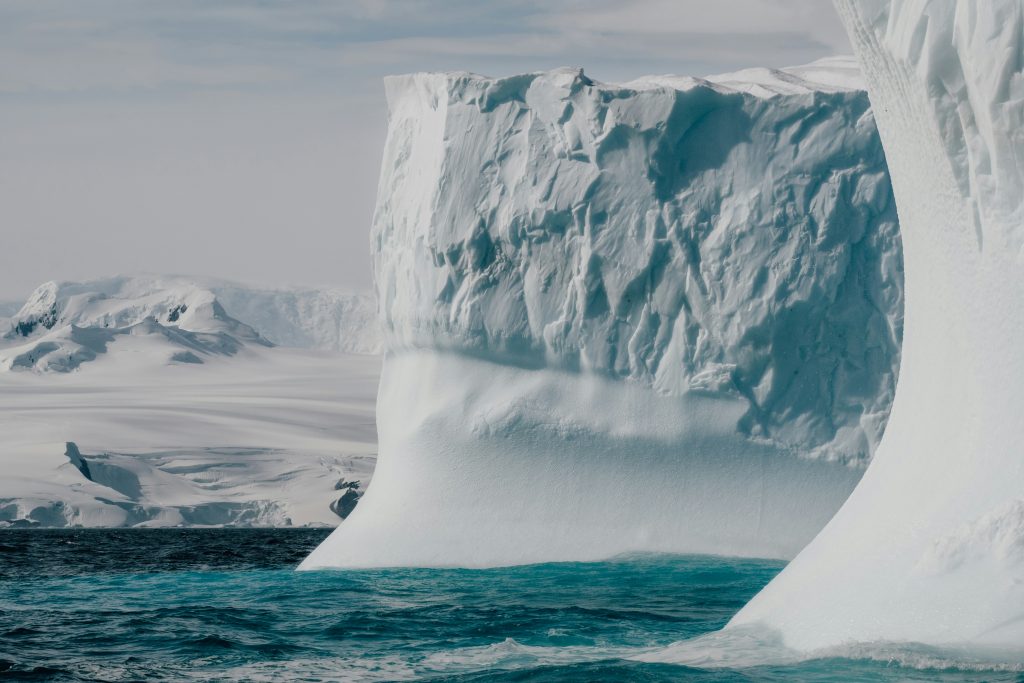
Marine Life in Antarctica – Antarctica may be known for its towering icebergs and extreme weather, but beneath the surface lies one of the most vibrant, untouched marine ecosystems on the planet.
At Ever Blue Expeditions, our small-ship cruises bring you face to face with the region’s most iconic wildlife — whales, seals, penguins, and krill, the tiny creatures that fuel it all.
If you’re wondering what marine life you might see on an Antarctic expedition, here’s your ultimate guide.
Marine Life in Antarctica
🐋 Whales: Gentle Giants of the Southern Ocean
Antarctica is one of the best places on Earth to see whales — especially during the austral summer (November to March), when they arrive to feed in krill-rich waters.
Species You May Encounter:
Humpback Whales – Often seen breaching or bubble-net feeding
Minke Whales – Curious and frequently approach Zodiacs
Orcas (Killer Whales) – Highly intelligent and social predators
Blue Whales – The largest animal ever to exist, spotted occasionally
Fin Whales – Sleek and fast-moving giants of the deep
🧭 Best time to see whales: January to March, when feeding activity peaks
🐧 Penguins: Antarctica’s Iconic Ambassadors
Penguins may be flightless, but they’re the stars of any Antarctic expedition. You’ll find colonies stretching across ice shelves and rocky beaches, often numbering in the tens of thousands.
Key Species:
Emperor Penguins – The tallest and heaviest, but harder to reach (seen on select fly-in or Weddell Sea itineraries)
Adélie Penguins – Energetic and curious, often found on pack ice
Chinstrap Penguins – Named for the black line across their chin
Gentoo Penguins – The fastest swimmers of all penguin species
🐣 Fun Fact: Gentoos build nests with pebbles — and sometimes “steal” from their neighbors.
🦭 Seals: Antarctic Ice Dwellers and Deep Divers
Six seal species call Antarctica home, and several are regularly seen on expedition cruises.
Look for:
Weddell Seals – Calm and curious, often resting on sea ice
Leopard Seals – Sleek and powerful predators with a haunting call
Crabeater Seals – Ironically, they eat krill — not crabs
Elephant Seals – The largest, with males known for their distinctive trunk-like noses
📸 Photographers love the up-close moments these seals allow on Zodiac rides or shore landings.
🦐 Krill: The Unsung Hero of the Antarctic Food Chain
Antarctic krill — tiny, shrimp-like crustaceans — form the backbone of the marine food web. Everything from whales to penguins to fish depends on them.
Swarms can stretch for kilometers, and contain thousands of tons of biomass
They glow in the dark thanks to bioluminescence
The annual krill bloom draws in marine giants from across the Southern Hemisphere
🌊 Without krill, the entire Antarctic ecosystem would collapse — they’re that important.
🧠 People Also Ask
Q: What kind of marine animals live in Antarctica?
Whales (like humpbacks and orcas), seals, penguins, and krill are among the most common — and most fascinating — marine species in Antarctica.
Q: Can you see marine life from the ship?
Absolutely. Many species, like whales and seabirds, are spotted directly from deck. Zodiac excursions bring you even closer.
Q: When is the best time to see wildlife in Antarctica?
December to March offers peak viewing for whales, penguins, and seals — especially January and February for marine life encounters.
🚢 Why Travel with Ever Blue Expeditions?
We specialize in small-ship Antarctic cruises designed to get you closer to marine life — responsibly, sustainably, and with expert naturalist guides. Our expeditions include:
Zodiac landings and close encounters
Marine biologist-led lectures
Photography support for capturing wildlife
Whether you’re cruising through the Lemaire Channel or witnessing a whale breach off the bow, every moment with us is designed for connection, not crowds.