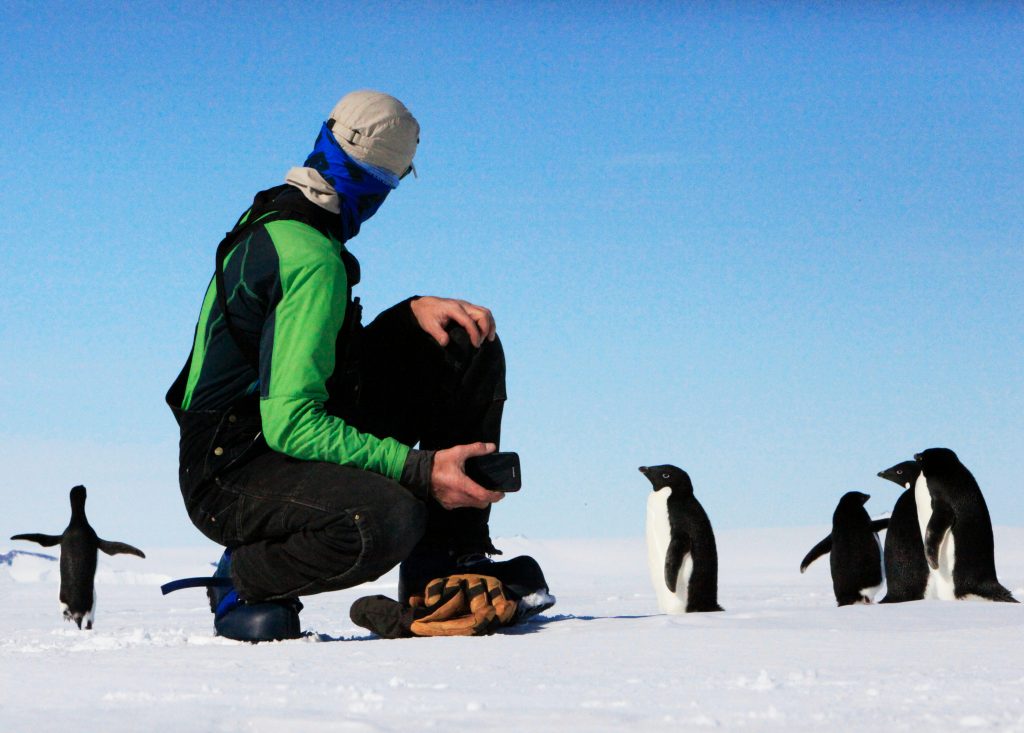
Why Antarctica Is a Dream Destination for Wildlife Photographers
Antarctica is unlike anywhere else on Earth. Towering icebergs, surreal light, and iconic wildlife make it a bucket-list location for photographers of all levels.
But for wildlife photographers, it’s even more than that—it’s one of the last truly wild places on the planet where you can photograph animals in their natural habitat with minimal human interference.
From playful penguins to breaching whales, your lens will never be bored.
What Wildlife Can You Photograph in Antarctica?
Antarctica offers an extraordinary range of wildlife, often just feet away from your camera. Here’s what you can expect to photograph on an expedition cruise:
🧊 Penguins
-
Adélie, Gentoo, and Chinstrap penguins
-
Nesting colonies in the thousands
-
Natural behaviors: feeding, preening, and chick-rearing
🐋 Whales
-
Humpback, minke, fin, and occasionally orca whales
-
Breaches, flukes, and bubble-net feeding (late season)
🦭 Seals
-
Leopard, Weddell, crabeater, and elephant seals
-
Resting on ice floes or swimming near Zodiacs
🐦 Seabirds
-
Albatross, petrels, skuas, and more
-
Great opportunities for in-flight shots
When to Go: Best Time for Wildlife Photography in Antarctica
The Antarctic cruise season runs from late October to March. Each month offers unique wildlife moments:
-
December – January: Peak light, penguin chicks hatching, whale sightings increase
-
February – March: Best whale activity, penguin fledglings, and stunning late-season light
-
November – Early December: Dramatic ice formations and courtship rituals
🗓️ Photographer Tip: Choose February or early March for the best combination of whale photography and penguin activity.
Why Choose an Expedition Cruise for Wildlife Photography?
A small-ship expedition cruise gives photographers the flexibility and access that larger ships simply can’t offer. Here’s why:
📸 Frequent Landings & Zodiac Cruises
Get off the ship and into the action. Our Zodiacs allow for close encounters with wildlife and ice formations.
🌄 Golden Hour Opportunities
With 20+ hours of daylight in mid-season, you’ll have ample time to chase perfect light.
🧭 Expert Guides & Naturalists
Travel with wildlife experts and professional photographers who understand behavior and can help position you for the perfect shot.
🎒 Dedicated Gear Space & Flexibility
On Ever Blue Expeditions cruises, you’ll have gear-friendly storage, drying rooms, and free time to shoot, edit, or rest.
What Photography Gear Should You Bring?
For a wildlife-focused Antarctic expedition, we recommend:
-
📷 DSLR or Mirrorless Camera Body (plus backup)
-
🔭 Telephoto Lens (200–600mm range ideal)
-
🌐 Wide-Angle Lens for landscape shots
-
🧤 Weatherproof Camera Protection
-
🪫 Extra Batteries & Memory Cards (cold drains power fast!)
-
💻 Laptop with External Drives for daily backups
-
🧥 Camera Gloves & Lens Cloths for extreme conditions
📦 Ever Blue also provides pre-departure packing lists and gear consultations to help you prepare.
People Also Ask
Can you bring a drone to Antarctica?
No, drones are banned in most of Antarctica to protect wildlife and preserve peace. You’ll need to focus on handheld photography.
Do I need to be a pro photographer?
Not at all! Our cruises welcome all experience levels, from hobbyists to pros. You’ll learn a ton no matter your background.
How close can you get to the animals?
IAATO guidelines mandate a 15-foot distance, but with long lenses and expert guides, you’ll still get amazing shots—without disturbing the wildlife.
What’s the best cruise for photographers?
A small expedition ship with daily landings, wildlife guides, and flexible itineraries—like those offered by Ever Blue—is ideal.